Uma Frank · 17 September 2026
Vocational Education Adapts Prototyping Methods to Address Gaps in Trade Skills
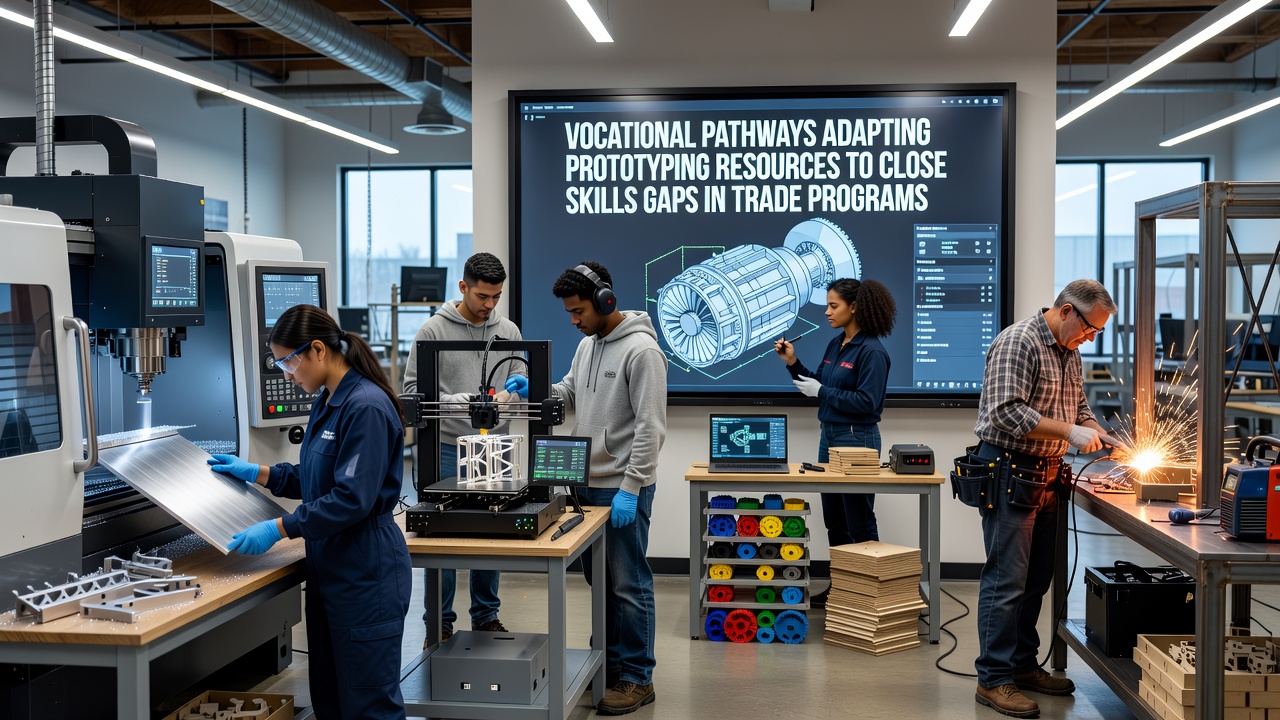
Trade programs across multiple regions face documented workforce shortages, and vocational pathways respond by integrating prototyping resources such as digital fabrication stations, simulation software, and modular build kits into curricula. Data from labor market analyses show that sectors including electrical work, plumbing, welding, and HVAC maintenance report unfilled positions at rates exceeding 15 percent in several OECD countries, prompting institutions to adjust training models that emphasize hands-on replication of real-world components.
Documented Shortages Drive Curriculum Shifts
Figures released by national statistical agencies indicate that construction and manufacturing trades lost experienced workers faster than new entrants joined the field between 2020 and 2025, while demand for skilled labor in renewable energy installations rose sharply. Vocational centers therefore embed prototyping exercises that allow students to iterate on pipe assemblies, circuit boards, and structural joints within controlled environments before entering job sites. These adjustments shorten the time required for apprentices to reach productivity benchmarks once they begin paid placements.
Programs in Australia and Canada report similar patterns. Training providers there introduced shared prototyping labs that serve multiple trade streams, enabling learners in carpentry and metal fabrication to test joint designs and load-bearing prototypes on the same equipment. The approach reduces equipment duplication costs while exposing participants to cross-trade problem solving that mirrors modern construction workflows.
Prototyping Resources Enter Core Training Modules
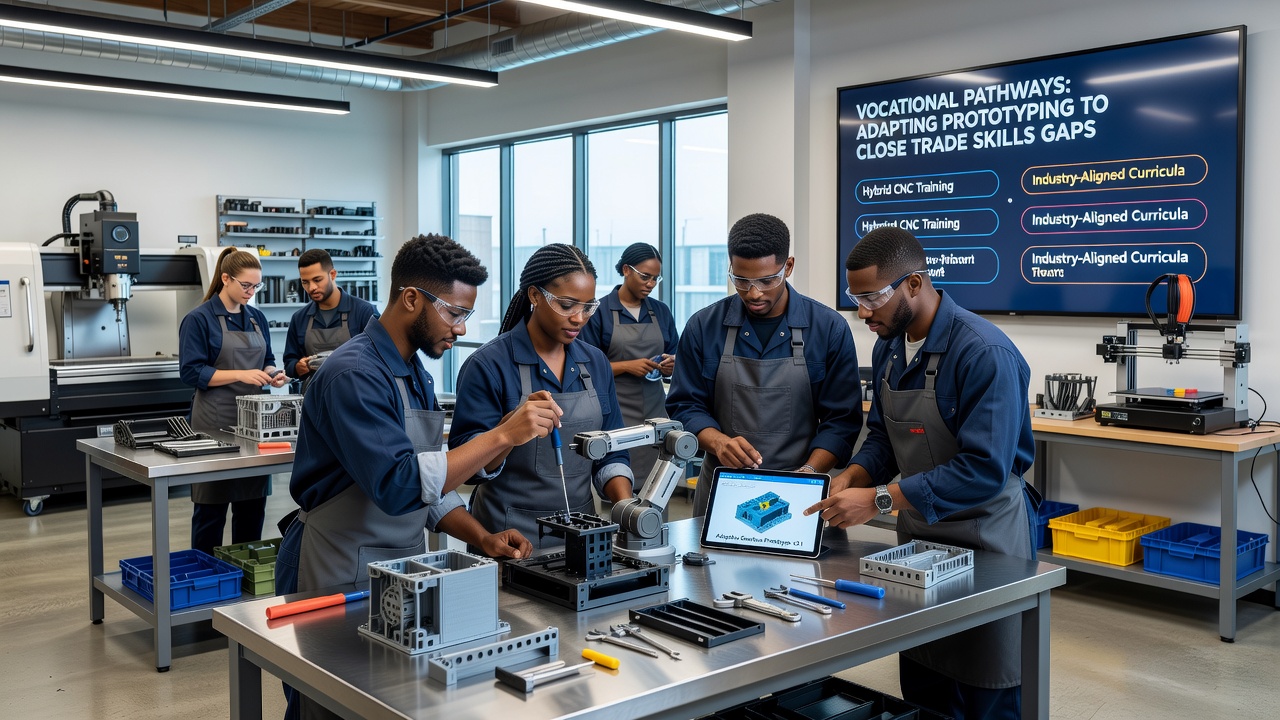
Institutions now allocate dedicated modules where students operate 3D printers, CNC routers, and virtual reality welders to produce functional scale models of trade components. Instructors assign projects that require measurement accuracy within industry tolerances, material selection based on cost and durability data, and documentation of each iteration cycle. European Centre for the Development of Vocational Training reports note that such structured prototyping sequences appear in updated national qualification frameworks released during 2024 and 2025.
September 2026 marks the scheduled rollout of coordinated pilot programs across several European technical colleges that received transnational funding for joint prototyping facilities. Participants from Germany, Poland, and the Netherlands will share digital libraries of trade-specific models while maintaining local oversight of safety certifications and assessment standards. The arrangement allows smaller programs to access equipment that would otherwise exceed single-institution budgets.
Partnership Models Expand Resource Access
Community colleges in the United States partner with regional manufacturers to obtain decommissioned industrial equipment that students refurbish and adapt for training prototypes. These collaborations supply parts and consumables at reduced rates while giving employers early contact with emerging talent. U.S. Bureau of Labor Statistics projections released in 2025 list electrician and plumber occupations among the fastest-growing trades through 2032, supporting continued investment in these partnerships.
Observers note that online repositories of open-source prototype designs further lower barriers for rural training centers. Instructors download, modify, and print components that align with local licensing requirements, then upload revised versions for peer review. This cycle creates a growing library of validated exercises without repeated capital outlays for each institution.
Assessment and Certification Adjustments Follow
Certification bodies update performance criteria to include documented prototyping proficiency alongside traditional practical exams. Candidates must now present portfolios that record design decisions, material tests, and final functional demonstrations. The shift aligns evaluation methods with the iterative nature of modern trade work, where technicians routinely adapt standard procedures to site-specific constraints.
Longitudinal tracking studies conducted by several state education departments show measurable reductions in time-to-competency for graduates who completed prototyping-enhanced pathways compared with earlier cohorts. Retention rates within apprenticeship programs also improved when early exposure to functional prototypes clarified career expectations before formal employment began.
Conclusion
Vocational pathways continue to refine prototyping integration as labor market data reveal persistent gaps in trade occupations. Coordinated equipment sharing, updated qualification standards, and cross-regional pilot projects scheduled for 2026 illustrate the structural changes underway. These developments rest on measurable enrollment trends, equipment utilization records, and employer feedback collected through established reporting channels rather than isolated initiatives.