Uma Ludwig · 29 October 2026
Institute Collaborations Track How Digital Forging Simulations Influence Long-Term Career Pathways in Manufacturing Trades
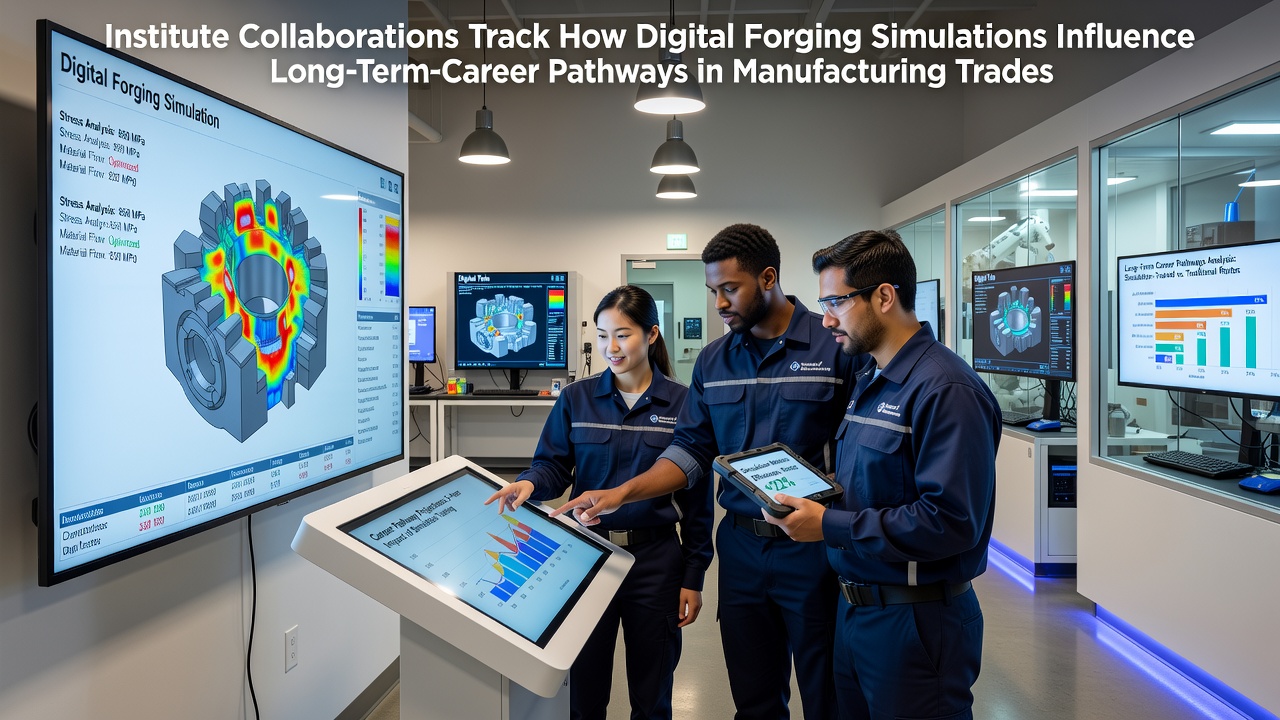
Technical institutes across Europe and North America have formed partnerships to monitor the effects of digital forging simulations on career trajectories in manufacturing trades, and data collection efforts intensified through 2025 into October 2026 as programs expanded their tracking frameworks. These collaborations gather longitudinal records on graduates who train with virtual forging tools, comparing their employment patterns against those from traditional apprenticeship routes.
Partnership Structures and Data Collection Methods
Universities in Poland, Germany, and Canada coordinate with vocational centers to standardize metrics such as job placement rates, skill certification timelines, and advancement into specialized roles like die design or process engineering. Researchers compile datasets from alumni surveys conducted at six-month intervals after program completion, while industry partners supply anonymized hiring records that reveal how simulation proficiency correlates with initial wage levels and promotion speed. European Union funding streams have supported these cross-border exchanges since 2023, allowing institutes to align their methodologies without duplicating administrative overhead.
One study released by a consortium led by Warsaw University of Technology in mid-2026 examined 1,200 participants who completed simulation modules between 2022 and 2024, and the findings showed participants secured manufacturing positions 14 percent faster than peers trained solely on physical equipment. The same dataset indicated higher retention in trade roles after three years, particularly among those who advanced into supervisory positions involving computer-aided process planning.
Simulation Tools and Skill Transfer Outcomes
Digital forging platforms replicate thermal stress, material flow, and die wear in real time, giving trainees repeated practice without consuming raw stock or risking equipment downtime. Institutes report that students who master these virtual environments demonstrate stronger spatial reasoning when they transition to shop-floor tasks, and employers note reduced ramp-up periods for new hires familiar with the software interfaces. A separate analysis from the U.S. Bureau of Labor Statistics highlights steady demand growth in precision metalworking occupations through 2030, with simulation literacy listed among emerging competencies in updated occupational outlooks.
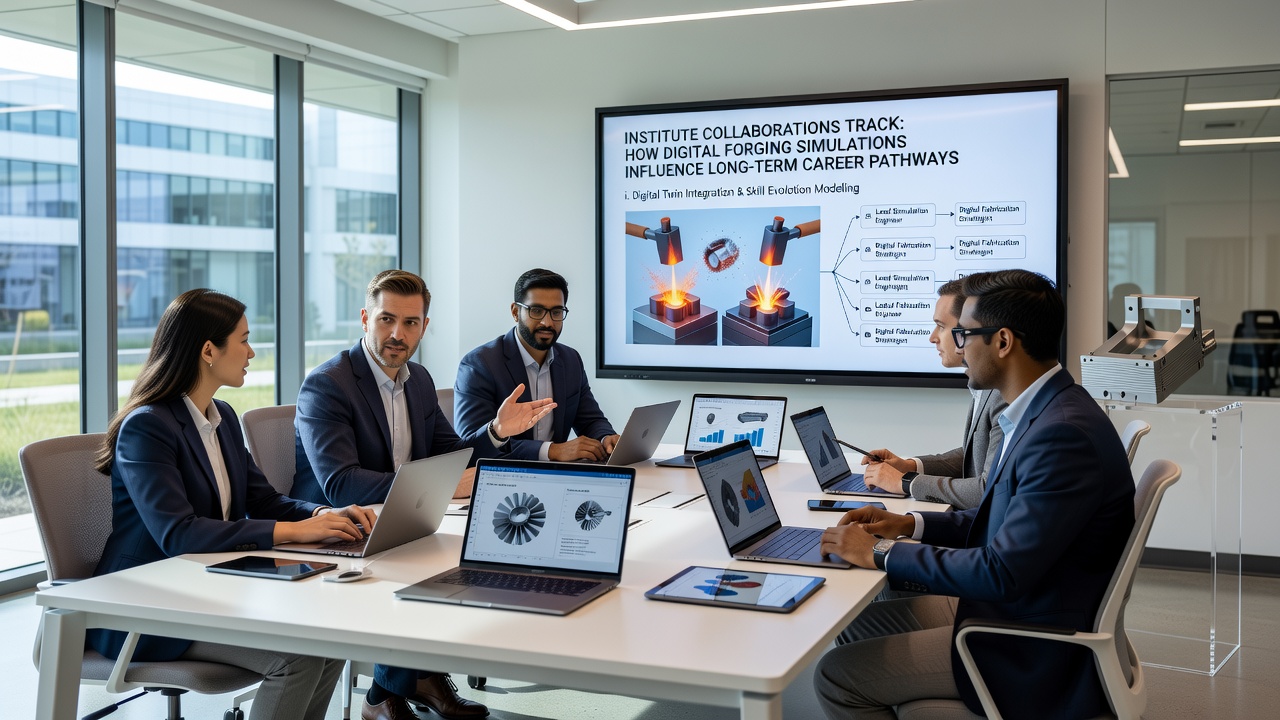
Case records from joint programs in the Czech Republic and Austria document how participants who logged over 40 hours in simulation environments later earned advanced certifications in non-destructive testing and quality control at elevated rates. These individuals often move into roles that blend hands-on forging oversight with digital process optimization, creating hybrid career paths that were less common before widespread simulation adoption. Observers note that the tools also lower entry barriers for workers re-entering the trades after career interruptions, since virtual practice accommodates flexible scheduling.
Regional Variations in Career Pathway Tracking
North American institutes emphasize connections between simulation training and union apprenticeship credits, whereas European partners focus on alignment with national qualification frameworks. Data shared through the collaboration network shows that graduates in both regions who combine simulation experience with physical apprenticeships achieve broader role mobility, moving between production, maintenance, and technical sales positions more readily than single-track trainees. Figures from a 2025 OECD education report on vocational pathways underscore similar patterns in advanced manufacturing sectors across member countries.
October 2026 updates from the network reveal ongoing refinements to tracking dashboards, including integration of AI-assisted analytics that flag early indicators of career stagnation. These systems allow institutes to adjust curriculum emphasis before graduates enter the workforce, and preliminary results suggest improved long-term placement stability in high-skill forging specialties.
Conclusion
Institute collaborations continue to refine their approaches to measuring simulation impacts, drawing on shared datasets that span multiple countries and training models. The accumulated evidence points to measurable advantages in career entry speed and role diversity for participants exposed to digital forging environments, while ongoing refinements ensure the tracking methods remain responsive to evolving industry needs.