
Zara Carter · 3 September 2026
European Technical Programs Gain Momentum Through Transnational Funding for Joint Prototyping Work
European technical programs have expanded their reach in recent years as cross-border funding mechanisms support collaborative prototyping experiments, and observers note these efforts connect institutions from multiple countries through shared resources and timelines that extend into 2026. Data from program reports shows increased participation rates since earlier framework periods, with allocations directed toward engineering departments that focus on rapid iteration of hardware and software components.
Funding Structures and Program Design
Multiple funding streams operate under broader European Union frameworks that allocate resources to consortia involving universities, research centers, and industry partners, while eligibility criteria emphasize measurable outcomes in prototype development cycles. Researchers track these grants through centralized databases that list project milestones, and figures reveal consistent growth in applications from technical faculties across member states. One study released by an academic consortium highlighted how these structures reduce duplication of effort by requiring joint deliverables rather than isolated national outputs.
Coordination happens through regular virtual and in-person meetings that align experimental protocols, and participants report streamlined access to specialized equipment located at partner sites. September 2026 marks the next major review window for several ongoing calls, at which point evaluators will assess progress on shared prototypes in areas such as sustainable materials testing and embedded systems integration. Those who have followed previous cycles note that successful consortia often publish interim findings that inform subsequent rounds of applications.
Prototyping Experiments in Practice
Teams working on sensor arrays for environmental monitoring have combined expertise from institutions in northern and southern Europe, producing functional units tested under varied field conditions within a single project timeline. Similar experiments in additive manufacturing bring together design groups that exchange digital files and physical test pieces, with results compiled into open datasets available to other programs. Evidence from project summaries indicates these arrangements shorten the interval between concept and functional model when compared with single-site efforts.
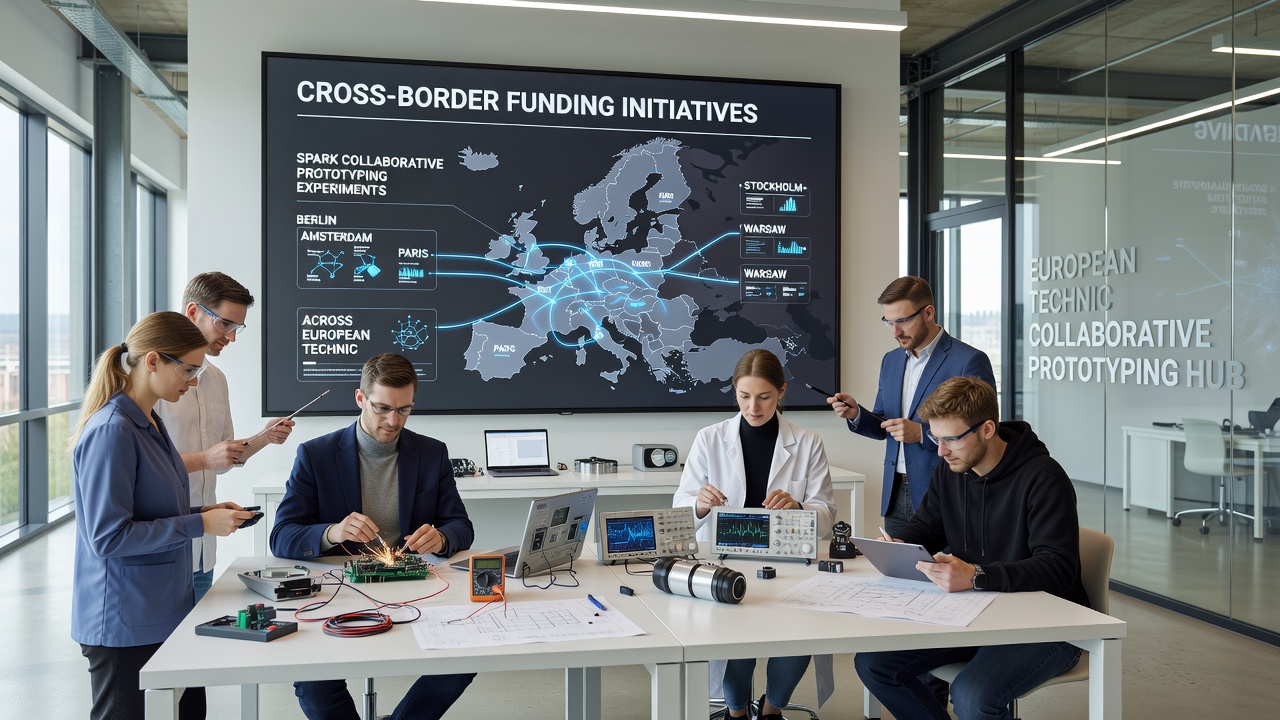
Additional work in robotics education integrates hardware modules developed across borders, allowing students to assemble and reprogram units that incorporate components sourced from different partner labs. According to reports from the European Commission, such distributed development contributes to standardized interfaces that later support wider adoption. Observers note that documentation practices have improved as consortia adopt common version-control systems for both code adn mechanical drawings.
Regional Participation Patterns
Institutions in Central and Eastern Europe have increased their involvement through targeted capacity-building elements within the larger grants, and statistics compiled by national agencies show rising numbers of lead coordinators from these regions. Western and Northern partners often supply advanced testing facilities, creating balanced exchanges that appear in final project evaluations. A separate analysis from an Australian research body on global education funding trends placed European cross-border models alongside comparable initiatives in other continents, noting similarities in milestone tracking.
Case examples include a multi-year effort on low-power wireless networks that linked Polish, German, and Spanish teams, resulting in three distinct prototype generations documented in peer-reviewed outlets. Another project focused on automotive sensor fusion drew contributors from Italy and the Netherlands, with hardware validated against shared regulatory benchmarks. These instances illustrate how funding conditions encourage explicit knowledge transfer clauses in consortium agreements.
Challenges and Adjustments Observed
Administrative overhead remains a noted factor, particularly when aligning procurement rules across jurisdictions, yet program administrators have introduced template agreements that address recurring issues. Data indicates that projects incorporating early-stage legal review experience fewer delays during equipment transfers. Technical compatibility questions surface when hardware platforms differ, prompting consortia to allocate portions of budgets to interface development rather than core experimentation alone.
Evaluators continue to refine metrics that capture both technical achievements and collaborative outputs, such as joint publications and student exchanges. September 2026 evaluations will incorporate updated indicators that reflect these adjustments, providing further data points for future program design.
Conclusion
Cross-border funding continues to shape how European technical programs approach prototyping, with documented increases in joint experiments and shared infrastructure use. The patterns established through current initiatives supply concrete examples for institutions planning participation in upcoming calls, and the results feed directly into curriculum updates and industry partnerships across the region.